
How to Talk to Your Partner About Trying BDSM
There can be challenging situations to navigate when you’re just starting out BDSM, and bringing up BDSM with your partner can be one of them! You might worry about being misunderstood, judged, or rejected.
But open, honest communication is the foundation of healthy intimacy, and that includes conversations about desire, curiosity, and boundaries.
Whether you’re mildly curious or deeply interested in exploring power dynamics, this guide will help you start the conversation in a respectful, confident, and emotionally safe way.

How Do You Talk to Your Partner About BDSM?
Navigating any conversation around sexuality can be difficult and daunting, but it’s okay and totally normal to feel intimidated or unsure of how to open up the discussion. Here’s our top tips to guide your first conversation:
- Choose a relaxed, private space.
- Focus on your curiosity rather than demands.
- Explain what interests you both emotionally and sexually.
- Openly invite them to share their feelings and boundaries.
- Discuss consent and safety practices.
- Start slowly and check in regularly.
While these seem simple, there’s plenty of little things to take into account before, during, and after your conversations. Keep reading to dig deeper into each tip!
Why This Conversation Matters
If this is your first time exploring BDSM, it’s important to build a strong foundation with your partner from the start. Talking about sexual desires can strengthen trust, deepen emotional intimacy, and improve communication in relationships.
Many couples discover that discussing fantasies actually brings them closer, even if they decide not to explore every kinky idea.
As educators Dossie Easton and Janet Hardy explain in The New Topping Book and The New Bottoming Book (highly recommended reads), there’s more to BDSM than just techniques. The BDSM basics always include communication, emotional support, and consent! Strong communication begins with conversation.
Start With Curiosity, Not Demands
Avoid presenting BDSM and kink as something you expect or need. Instead, frame the discussion as curiosity and exploration.
Try saying:
- “I read something interesting about power dynamics and wanted to share it with you.”
- “Have you ever been curious about exploring new sexual experiences together?”
- “I’d love to talk about our sexual fantasies with each other sometime.”
- “Would you be open to talking about sexual fantasies I’m interested in exploring with you?”
Statements/questions like these keep the conversation collaborative rather than confrontational. Pay attention to how your partner responds. Did they seem surprised, confused, or resistant? Curious or excited? Take note of how they react and consider how they might be feeling prior to having the conversation.
Choose the Right Time & Setting
Timing matters. Avoid bringing up the topic:
- during or shortly after arguments
- during intimacy without prior discussion
- when your partner is stressed or distracted
- in public
- while inebriated
Instead, choose a relaxed moment when you both feel comfortable, connected, and clear-headed.
Explain What BDSM Really Is
Before discussing BDSM with your partner for the first time, consider any misunderstandings your partner may have about it already. It’s common for people to have misconceptions about BDSM, especially as BDSM becomes increasingly popular in movies, TV shows, and books. It’s important to acknowledge that these portrayals often emphasize extremes rather than reality and may influence the way your partner views BDSM. If you know your partner has seen or read something related to BDSM or kink recently, think about how accurately it represented BDSM and how it compares to what you’re interested in.
Preparing for the conversation with this context in mind may be really helpful in understanding their responses and having compassion for their emotions.
In the conversation, you might explain:
- BDSM is rooted in consent, communication, and trust.
- BDSM can include power dynamics, restraint, sensation play, and psychological exploration but doesn’t have to involve all of these.
- BDSM can be emotional and deeply connecting.
These three topics cover the very basics of BDSM, and offering a clear description will lay the foundation for the rest of the discussion and help reduce fear and misconceptions.
Share What Interests You and Why
Instead of immediately diving into the specific kinks or types of play you’re interested in, first share what appeals to you emotionally and how this relates to them.
If you’re curious about exploring a D/s dynamic, what are the emotional and psychological aspects about it you’re most interested in? It may take some time to figure this out, but the answer will not only make it easier to explain yourself but also to understand your own desires, which can go a long way when navigating challenging conversations with a partner!
Say you’re interested in pet play and are interested in being a submissive pet. What are the activities and behaviors you want yourself and your partner to exhibit? Maybe it’s things like wearing a collar while your partner holds the leash and walks you around on all fours.
Many people are interested in exploring things like:
- trust and surrender
- feeling desired and connected
- exploring vulnerability
- deepening intimacy
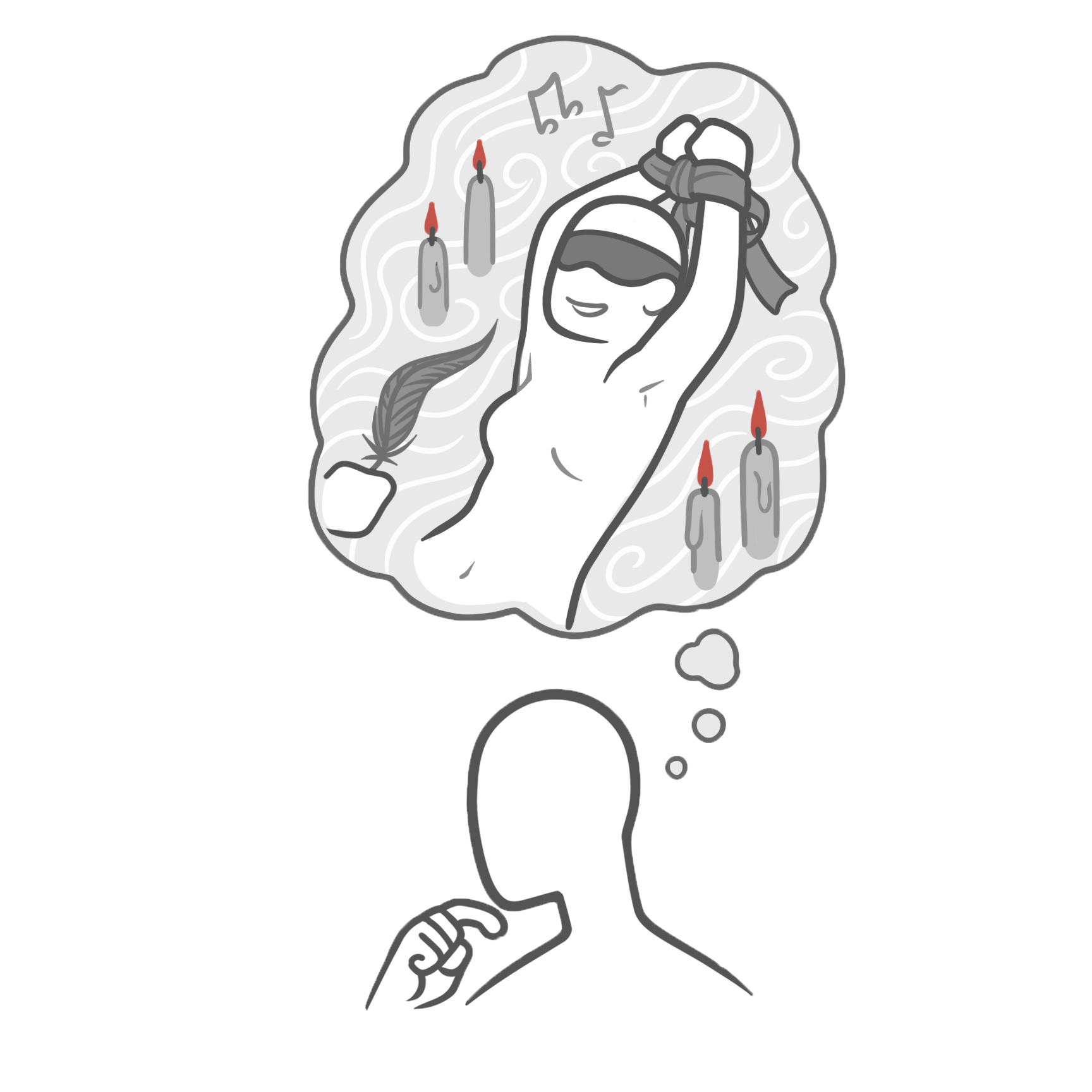
Once you've established the why, now it's time to share the what. How detailed you want to be in the first few conversations really depends on how comfortable you and your partner are about this. If your partner seems to be pretty hesitant, consider starting off light, sharing what you think may not be too overwhelming as your partner processes. Take time to build trust and open communication, then share more details as your discussions naturally develop.
Invite Their Feelings & Boundaries 
This is a crucial part of the conversation. After sharing, pause and invite them to share their initial thoughts and feelings. Open-ended questions leave the most space for people to feel welcome to share. Questions like "How does that make you feel?" or "Is any part of this interesting or uncomfortable for you?" leave space for your partner to share. If your partner shows resistance initially, consider asking what would make them feel safe to explore something new.
Hesitation is Normal!
Your partner may feel unsure or need time to process. This does not necessarily mean rejection! BDSM psychologist Douglas Thomas notes that kink exploration can carry deep psychological meaning and personal symbolism, which people process at different speeds.
Above all, give space for reflection.
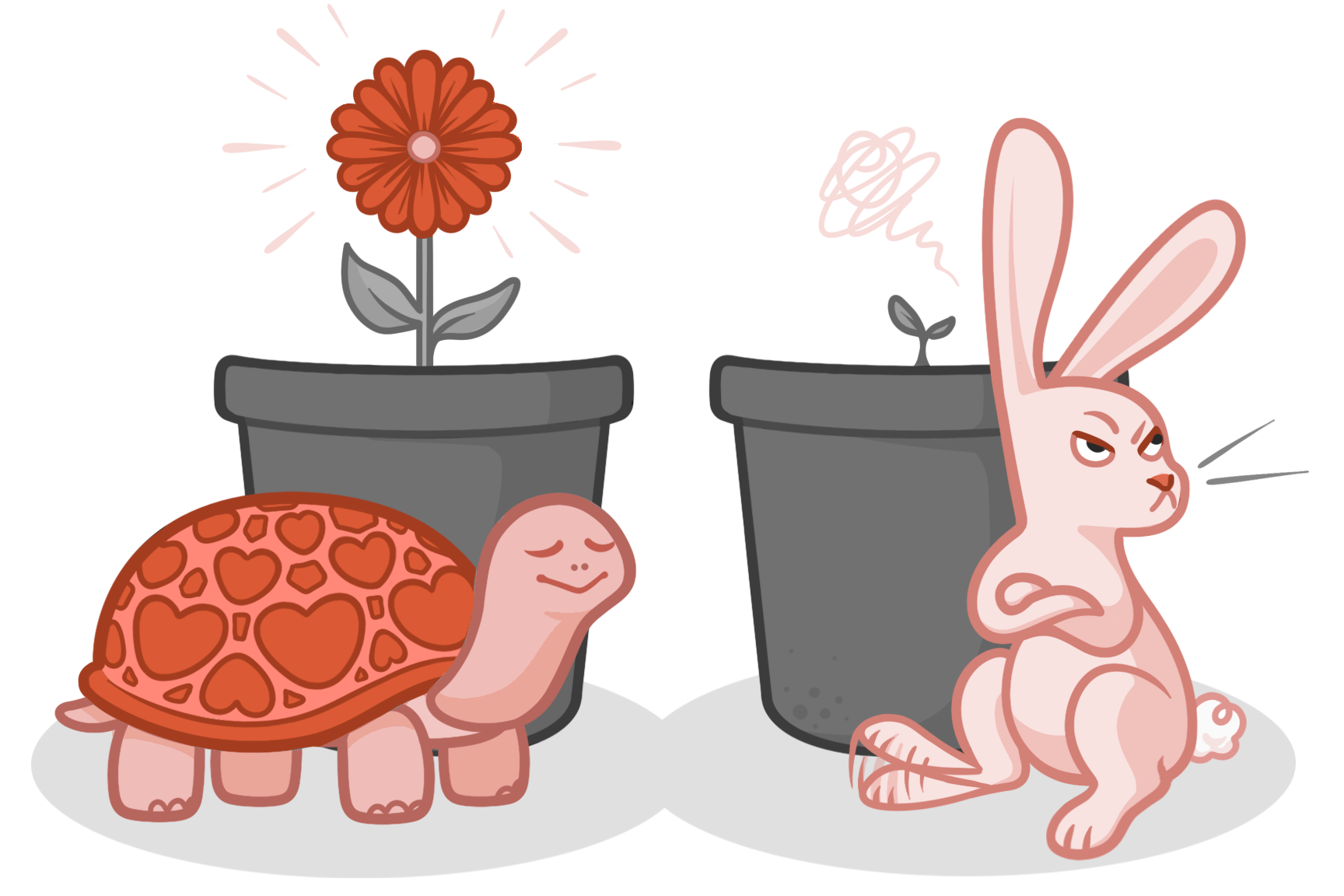
Start Small & Go Slowly
If your partner shows curiosity, begin with low-intensity exploration:
- blindfolds or sensory play
- light restraint
- discussing power dynamics
- guided roleplay scenarios
There is no rush. Exploration should feel safe and collaborative. If you decide to begin exploring together, starting with beginner-friendly tools can help build confidence and comfort.
Gear like beginner-friendly bondage kits or soft blindfolds can be an easy entry-point for beginners.
Establish Consent & Communication Practices

So, your partner is ready to start exploring with you. Taking that first step is huge! But now what's next?
You guessed it: safety, consent, and communication. We got into depth on navigating conversations on consent and safety in this guide, but here's the tl;dr:
- Discuss boundaries and limits
- Establish safe words
- Figure out both partners' comfort levels
- Come up with aftercare activities
Consent frameworks are central to ethical BDSM practice and help ensure safety and mutual respect. Education plays an important role in safe exploration. Many people benefit from guided learning environments that emphasize communication, boundaries, and risk-aware practices. Prefer hands-on learning? We offer in-person BDSM education classes & workshops led by kinky professionals and long-term players.
What if my partner isn’t interested?
Not everyone shares the same desires and that’s okay! Of course, this is disappointing news, and it's okay to feel frustrated. But this doesn't have to be the end of the conversation.
There's a few Cardinal Rules to follow when you're partner simply doesn't want to explore your interests:
- Always respect their boundaries
- Keep communication open
- Explore shared interests
- Revisit the conversation later
If your partner shuts the conversation down, don't keep pressuring them. Let them know you want to give them space to process their emotions, and don't be afraid to ask if they'd be open to talking about your interests after you've both had more space.
Common Fears (and How to Address Them)
“Does this mean I’m not enough?”
Reassure them this is about exploration, not dissatisfaction.
“Is BDSM dangerous?”
Explain safety, consent, and education practices.
“Is this abusive?”
Clarify that BDSM is consensual and built on trust. Open reassurance reduces anxiety.
Building Trust Through Ongoing Conversation
This conversation is an ongoing dialogue. Continue checking in, sharing feelings, and adjusting boundaries as comfort evolves. Trust grows through communication.
We highly recommend adding some books on BDSM to your library, whether that's for you prior to/after the conversation with your partner or for your partner to help them understand BDSM better. A few of our favorites:
- Playing Well with Others by Lee Harrington and Mollena Williams
- BDSM 101 by Rev. Jen
- A Quick & Easy Guide to Consent by Isabella Rotman
- Different Loving by Gloria and William G. Brame, Jon Jacobs
Frequently Asked Questions
What if I feel embarrassed bringing this up?
Start slowly and focus on curiosity rather than specifics. Vulnerability often strengthens trust.
How do I make sure my partner feels safe?
Listen openly, respect boundaries, and emphasize consent and communication.
What if they say no?
Respect their boundaries and keep communication open for the future.
Can talking about fantasies improve relationships?
Yes. Open discussions about desires often deepen intimacy and trust.
Final Thoughts
Talking to your partner about BDSM is about opening a door to deeper communication, trust, and mutual understanding. Whether the journey leads to exploration or simply better communication, honest conversation strengthens connection.


