




Suspension Gear
Suspension gear is designed for advanced bondage and BDSM play, giving dominants new ways to control positioning and heightening the intensity of restraint. From suspension cuffs and spreader bars to shibari rings and carabiners, this equipment allows for creative, immersive scenes that can range from partial lifts to full body suspension.
Why Suspension Gear Is Significant
In BDSM, suspension represents a deeper level of trust and control. By elevating the body — whether partially or fully — a dominant creates vulnerability, restriction, and sensory focus. For submissives, it can heighten sensations, challenge endurance, and amplify the erotic power exchange. For dominants, it allows creative positioning and the ability to combine suspension with impact play, teasing, or restraint rituals.
Types of Suspension Gear
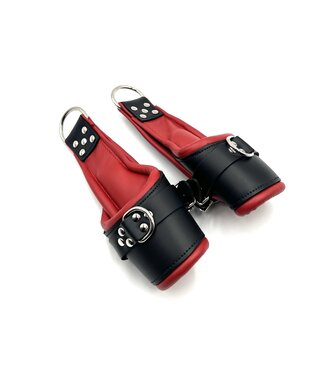
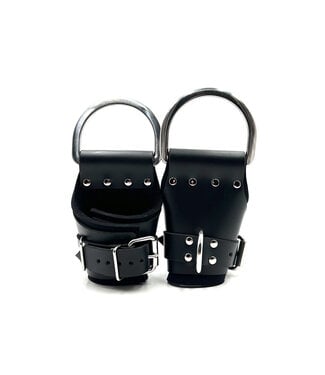
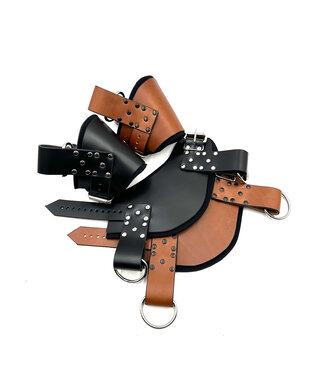
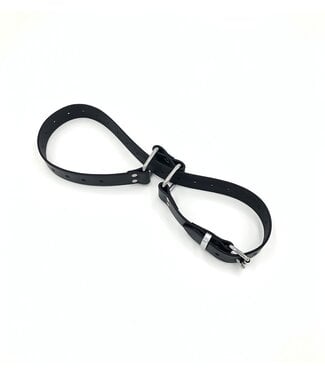
- Suspension Cuffs: Reinforced wrist or ankle cuffs designed to hold body weight safely, like the Deluxe Padded Suspension Cuffs or the Multi-Cuff Leather Wrist Suspension Cuffs.
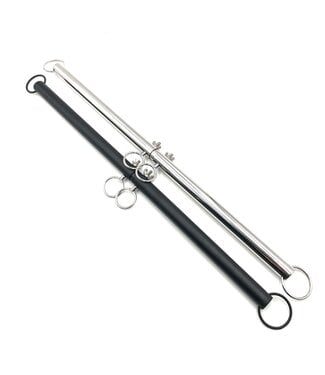
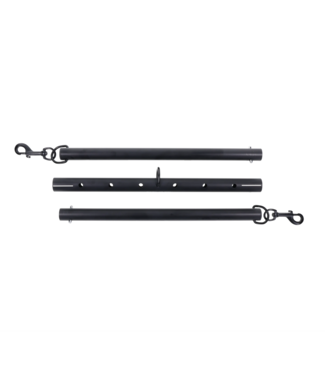
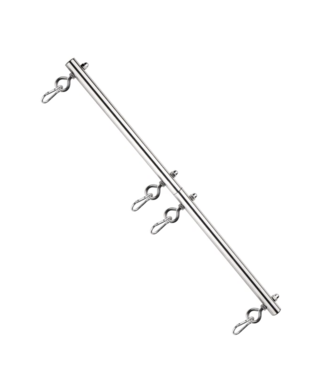
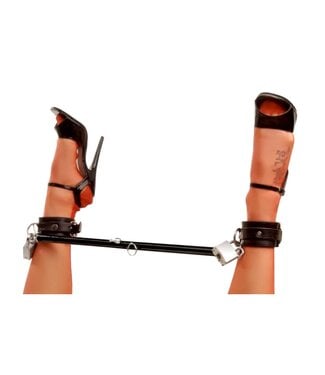
- Spreader Bars: Keep the body open and immobile, often used in combination with ropes or cuffs — try the Adjustable Four Point Bondage Spreader Bar or, for beginners, the Edge Adjustable Spreader Bar.
- Shibari Rings & Suspension Points: Strong metal rings designed to anchor ropes for rope bondage and suspension scenes, like the Shibari Suspension Tri Ring or the Shibari Rope Suspension Ring.
- Carabiners & Hardware: Essential connectors that link ropes, cuffs, and gear together securely, such as the Two-Way Ring Connector.
Safety First
Suspension play can be intense and requires proper gear, knowledge, and preparation. Keep these safety essentials in mind:
- Always use gear designed specifically for suspension — regular restraints may not support body weight.
- Check all equipment for wear, tear, or weakness before play.
- Communicate clearly — establish safe words or signals.
- Never leave a partner suspended unattended.
- Start with partial suspension or lighter lifts before progressing to full suspension.
FAQ: Spreader Bars & Suspension Gear
What's the difference between a spreader bar and suspension cuffs? A spreader bar holds the body open and immobile — typically the legs or arms — while suspension cuffs are reinforced restraints built to bear body weight when lifted off the ground. They're often used together: cuffs to anchor the body, and a spreader bar to control positioning.
Do I need experience before trying suspension play? Yes — suspension play carries real physical risk and isn't recommended as a first bondage experience. Start with lighter, ground-based restraint using standard cuffs or a spreader bar, and consider learning from an experienced rigger or a workshop before attempting full suspension.
How much weight can suspension gear hold? This varies by product, so always check the manufacturer's weight rating before use — standard bondage cuffs are not rated for suspension and should never be substituted. Gear labeled specifically for suspension, like our padded suspension cuffs, is built and tested to hold body weight safely.
Can spreader bars be used without full suspension? Absolutely. Spreader bars work great as a standalone restraint for ground-level bondage — no suspension setup required. They're one of the more approachable ways to explore this kind of gear before working up to suspension play.
Important Notes!
Suspension gear opens the door to powerful, immersive BDSM experiences — but safety, trust, and high-quality equipment are essential. Whether you're exploring rope suspension, experimenting with spreader bars, or building a full suspension setup, investing in the right gear ensures that your scenes are both thrilling and safe.